





The situation in Lebanon and the region continues to deteriorate, marked by intensified clashes between Israel, Hizbullah and other allied factions. For several days, Israeli strikes have multiplied in southern Lebanon and the southern suburbs of Beirut, while Hezbollah maintains a constant military response with salvos of rockets towards northern Israel.
Escalating Clashes: Hizbullah’s Positions and Israeli Responses
Hezbollah, through its deputy secretary general, Sheikh Naim Qassem, reaffirmed this morning that its fighters are firmly holding the front line. He said that « our fighters remain strong on the front line and operations have increased in intensity. We proved our effectiveness on the ground, inflicting pain on the enemy. Qassem also stressed that Hizbullah’s ability to retaliate was intact and that « we will strike the enemy at a time and place of our choosing, in accordance with our military plan. » »
Qassem also recalled that the Lebanese front had exhausted the Israeli army for 11 months, causing tens of thousands of Israeli settlers to flee their homes, and added that Hezbollah strikes routed Israeli plans to impose a new order in the Middle East. He also clarified that the current battle was not a war waged for Iran, but a struggle for the liberation of Palestine.
Retrouvez les dernieres depeches et mises a jour en direct sur Libnanews Live.
Israeli strikes and damage in Lebanon
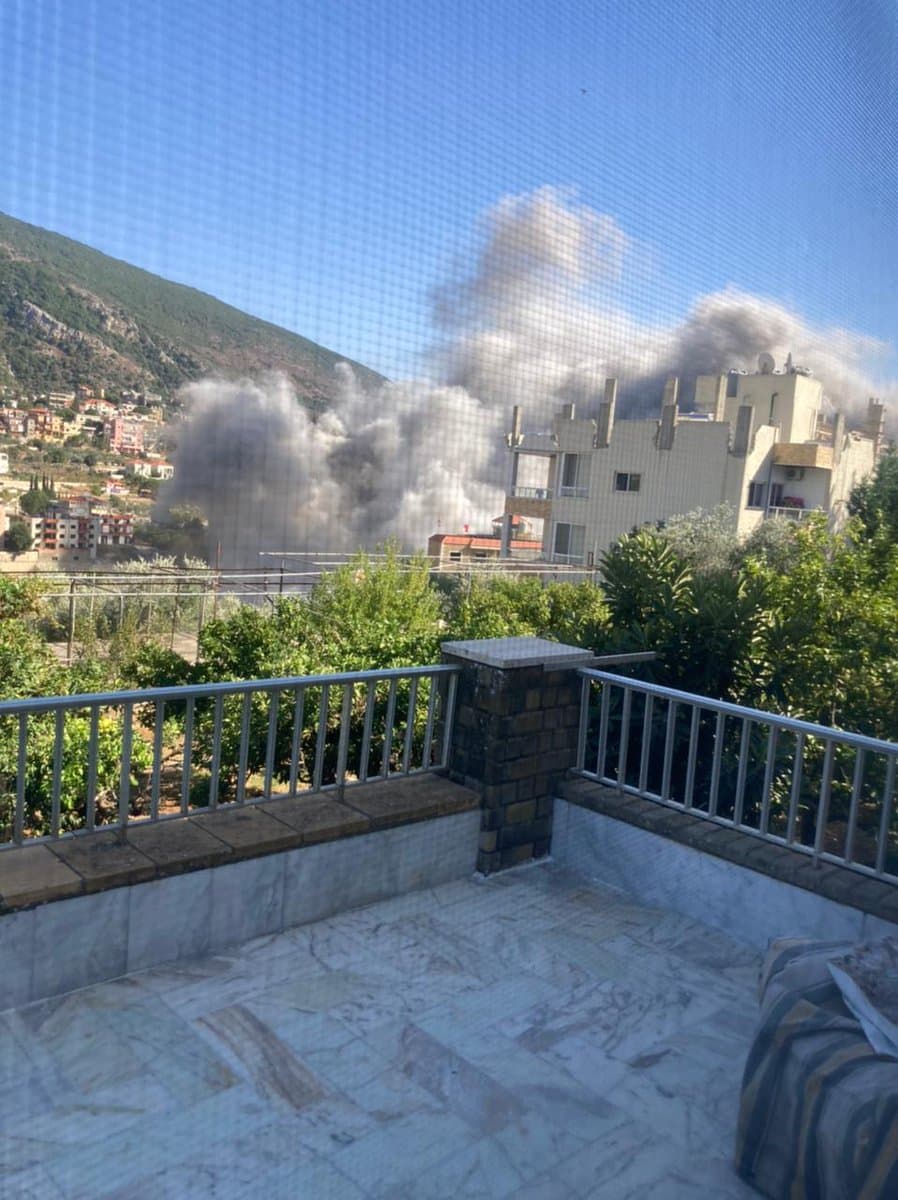
Israeli airstrikes continued to target several areas of southern Lebanon. This morning, raids hit the Iqlim al-Tuffah area, as well as localities such as Arabsalim and Mleikh in the Jezzine district, where a house was destroyed. New strikes also targeted the Nabatieh area and surrounding villages, including Naqoura and Alma al-Shaab, areas already heavily hit since the beginning of the escalation.
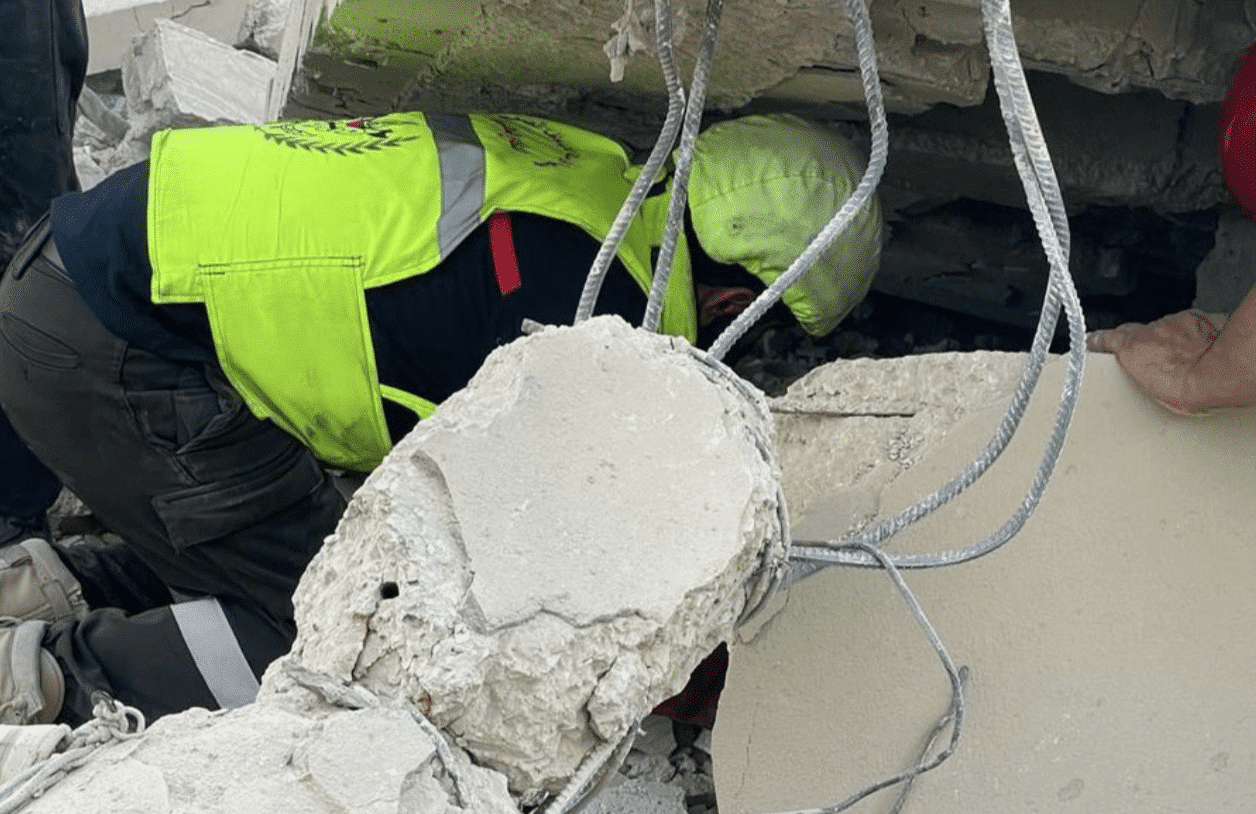
The Israeli raids have caused significant loss of life and material destruction. Last night, two bodies were pulled from the rubble of a house destroyed by a strike in the Arzoun area of Tyre district, while other shelling targeted civilian infrastructure and homes. The strikes are part of an Israeli campaign that targets not only suspected Hezbollah military positions, but also civilian areas, causing an increase in civilian casualties.
Hezbollah’s response and its regional implications
In response to the Israeli strikes, Hezbollah has intensified its rocket fire at Israeli positions. In the past 24 hours, according to the IDF, about 260 rockets have been fired from Lebanon into Israeli communities, including Tiberias and other northern areas. Reports from the Israeli media indicate that rockets were also intercepted over Tiberias this morning, triggering warning sirens in several communities in northern Israel.
At the same time, groups allied to Hezbollah, including factions in Iraq, have claimed responsibility for several attacks on Israeli targets. According to a statement from the Iraqi Islamic Resistance, five separate targets in central and northern Israel were targeted by cruise missiles and drones, underscoring the extension of the war front beyond Lebanon and Gaza.
A critical situation in Gaza
Meanwhile, the situation in Gaza remains dramatic. The Israeli army continues its massive strikes on the Gaza Strip, with incessant shelling on the Jabalia camp and other localities. The Al-Qassam Brigades, Hamas’ military wing, claimed this morning to have destroyed an Israeli Merkava 4 tank with a pipe bomb, illustrating the intensity of the fighting in northern Gaza.
Israeli strikes on Gaza also targeted civilian infrastructure and refugee camps, killing and injuring several people. Since dawn, at least 14 people have reportedly been killed, and many residential buildings have been destroyed in various areas of the Palestinian enclave.
International and diplomatic reactions
On the diplomatic front, the international community is beginning to intensify its calls for a ceasefire. France expressed its deep concern over the continued attacks by Hezbollah and its allies against Israel, calling for an immediate halt to these military actions. In a statement, the French Foreign Ministry insisted on the need to restore stability in the region, as the fighting threatens to spread further.
The United Nations, through the Special Coordinator and the Head of UNIFIL, reiterated that negotiations between Lebanon and Israel are the only way to restore security and stability in the region. A joint statement stresses that every rocket, every shell and every air raid only prolongs the conflict and takes away the prospects for peace.
The financial cost of these wars is also becoming a growing concern. Israel’s central bank has estimated that the combined cost of Israel’s wars in Lebanon and Gaza now stands at $66 billion, or about 12 percent of Israel’s gross domestic product , underscoring the devastating economic impact of the protracted conflict.