





The situation on Lebanon’s southern front continues to deteriorate as fighting between Hizbullah and Israeli forces intensifies. On Wednesday, Hezbollah announced that it had repelled two new attempts by the Israeli army to infiltrate southern Lebanon. According to a statement from the movement, Hezbollah fighters activated an explosive device that targeted Israeli forces and engaged in combat as they tried to enter the border town of Blida, located in the southeast of the country.
In another statement, Hezbollah said it attacked Israeli soldiers with artillery and anti-tank weapons as they tried to advance towards the border area of Al-Labbouneh at 4:55 a.m. The movement says it has repelled several similar attempts since the Israeli army launched ground operations in Lebanon on September 30.
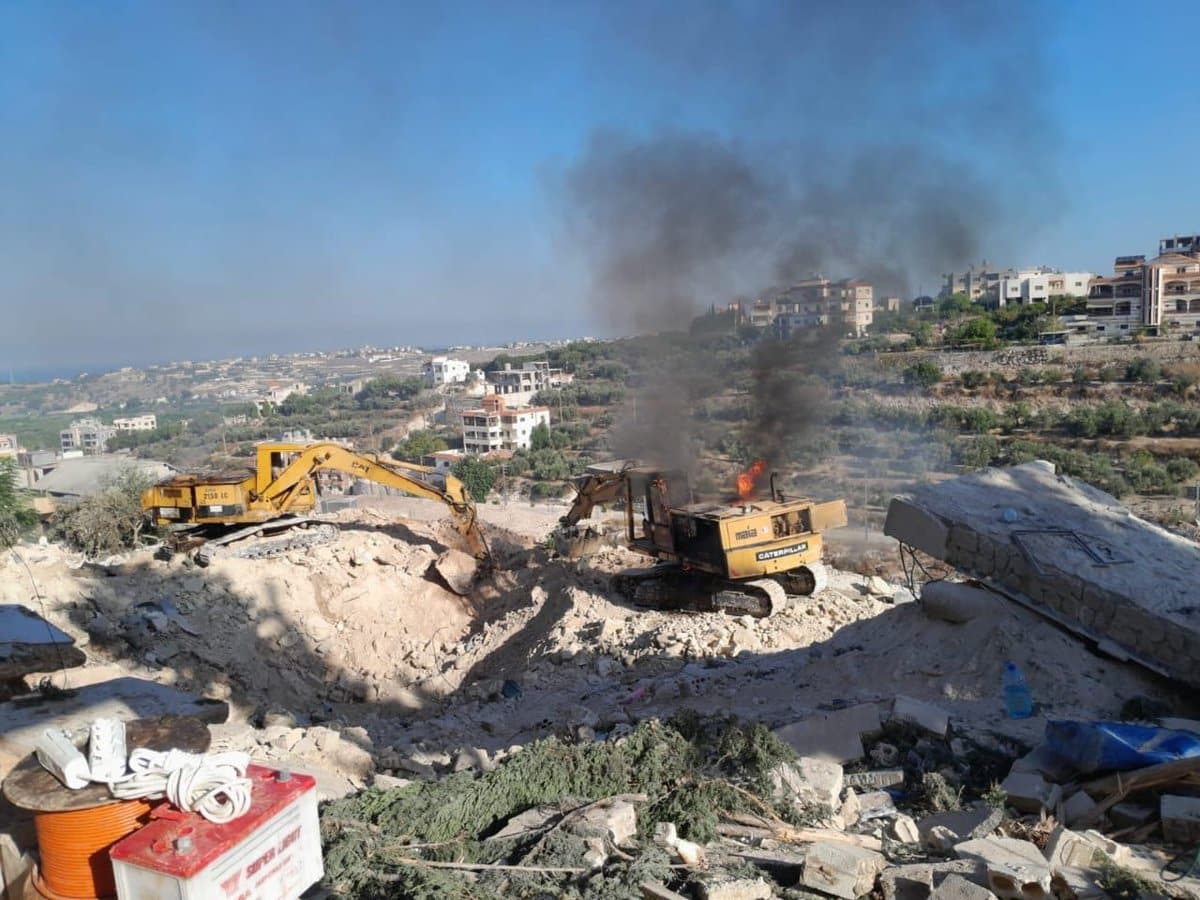
The escalation of hostilities coincides with Israeli strikes on several areas of southern Lebanon, including the districts of Nabatieh and Tyre. In response, Hezbollah retaliated by launching salvos of rockets at Israeli cities such as Safed, Kiryat Shmona and other communities in northern Israel. The Israeli strikes also targeted civilian infrastructure, including roads and schools, further worsening the humanitarian situation in the affected areas.
Retrouvez les dernieres depeches et mises a jour en direct sur Libnanews Live.
Humanitarian and international assessment
Lebanon’s Health Ministry has released a new toll of Israel’s aggression on Lebanon, lamenting the death of 36 people in Tuesday’s strikes. This brings the total death toll since the beginning of hostilities to 2,119, with more than 10,019 injured. The areas most affected by Israeli strikes are the governorates of Nabatieh, South, Bekaa and Baalbek-Hermel. The Israeli strikes have not only killed civilians, but they have also destroyed critical infrastructure, resulting in the displacement of more than a million people across the country.
Faced with this dramatic situation, international efforts are underway to obtain a ceasefire. The European Union announced on Wednesday the launch of a « humanitarian air bridge » to deliver emergency supplies to Lebanon. The European Commission said the first three flights were scheduled to transport essential supplies from Italy and Dubai to Beirut, with the first plane expected as early as Friday. Ursula von der Leyen, President of the European Commission, claimed on X (formerly Twitter) that the EU stands with those affected by the crisis in Lebanon, promising to send relief kits and medicines, with more help to come.
The UK has also stepped up its calls for a ceasefire. British Foreign Secretary David Lammy, who is visiting the region, warned that the situation in the Middle East was « extremely dangerous » and called on countries in the region to exert pressure to end the violence. Lammy, who is visiting Jordan and Bahrain, stressed the need for emergency ceasefires in Gaza and Lebanon, while calling for restraint from Iran and its regional allies.
Ongoing diplomatic efforts
Lebanon’s interim Prime Minister Najib Mikati confirmed that Arab and international diplomatic efforts were still underway to secure a halt to the Israeli strikes. « The efforts of our friends, Arab and foreign countries, continue to push for a temporary ceasefire, » he said. He also spoke of the need to discuss key political steps, including the full implementation of UN Security Council Resolution 1701, which calls for the cessation of hostilities between Israel and Hezbollah and respect for Lebanese sovereignty.
However, Israel, according to Channel 12 reports, is refusing to participate directly in these negotiations for the time being. The Israeli government has reportedly recently learned that the United States and some Arab countries have begun talks with Iran to propose a ceasefire on all fronts, including in Lebanon and Yemen. For now, Israel is not officially involved in the talks, and some Israeli officials have said they would only agree to a ceasefire on their terms, including a Hezbollah withdrawal north of the Litani River and the dismantling of the group’s military infrastructure.
The diplomatic efforts come as Iranian Foreign Minister Abbas Araghchi visited Saudi Arabia on Wednesday to discuss ways to end Israeli strikes in Lebanon and Gaza. Iran, which supports both Hamas and Hezbollah in what it calls the « Axis of Resistance, » has denounced the Israeli strikes as « war crimes » and reiterated its support for armed groups in the region. During his visit to Beirut last week, Araghchi called for a simultaneous ceasefire in Lebanon and Palestine, stressing that the Hamas attack on October 7 marked a turning point in the Palestinians’ legitimate resistance.
Security and humanitarian issues around Beirut airport
In this context of growing violence, the issue of the security of Beirut International Airport, Lebanon’s only functional airport, remains a central issue. Located near the southern suburbs of the capital, which are regularly targeted by Israeli strikes, the airport has so far escaped any direct attack. However, concerns remain. Lebanon’s Transport Minister Ali Hamieh said he had received international « assurances » that the airport would not be targeted, although he stressed that there is a big difference between simple assurances and firm guarantees.
The United States, for its part, has warned Israel against any direct attack on Beirut airport or the roads leading to it. The warning comes after Israeli strikes near the airport, reviving fears that this vital infrastructure for Lebanon could be directly affected. Strikes on such critical infrastructure would risk plunging the country into an even deeper crisis, cutting off its main links with the outside world, while more than a million people are already internally displaced.
Despite ongoing tensions and violence, Lebanon and its regional and international allies continue to work to preserve the functionality of critical infrastructure, including the airport, ports, and land border crossings. « We are in full coordination with the Lebanese army and relevant security agencies to ensure the security of the ports, as closing them would mean that we are under siege, » Hamieh added.