24 octobre 2026
Actualité, Information, Analyses, découverte du Patrimoine et de la Culture Libanaise, tout cela est possible sur Libnanews, le Média Citoyen du Liban
Toutes nos rubriques

Non classifié(e)

Ալ-Քաա. Զաֆրանի մշակման երկիր Լիբանանում:

Ալ-Քաա. Զաֆրանի մշակման երկիր Լիբանանում:

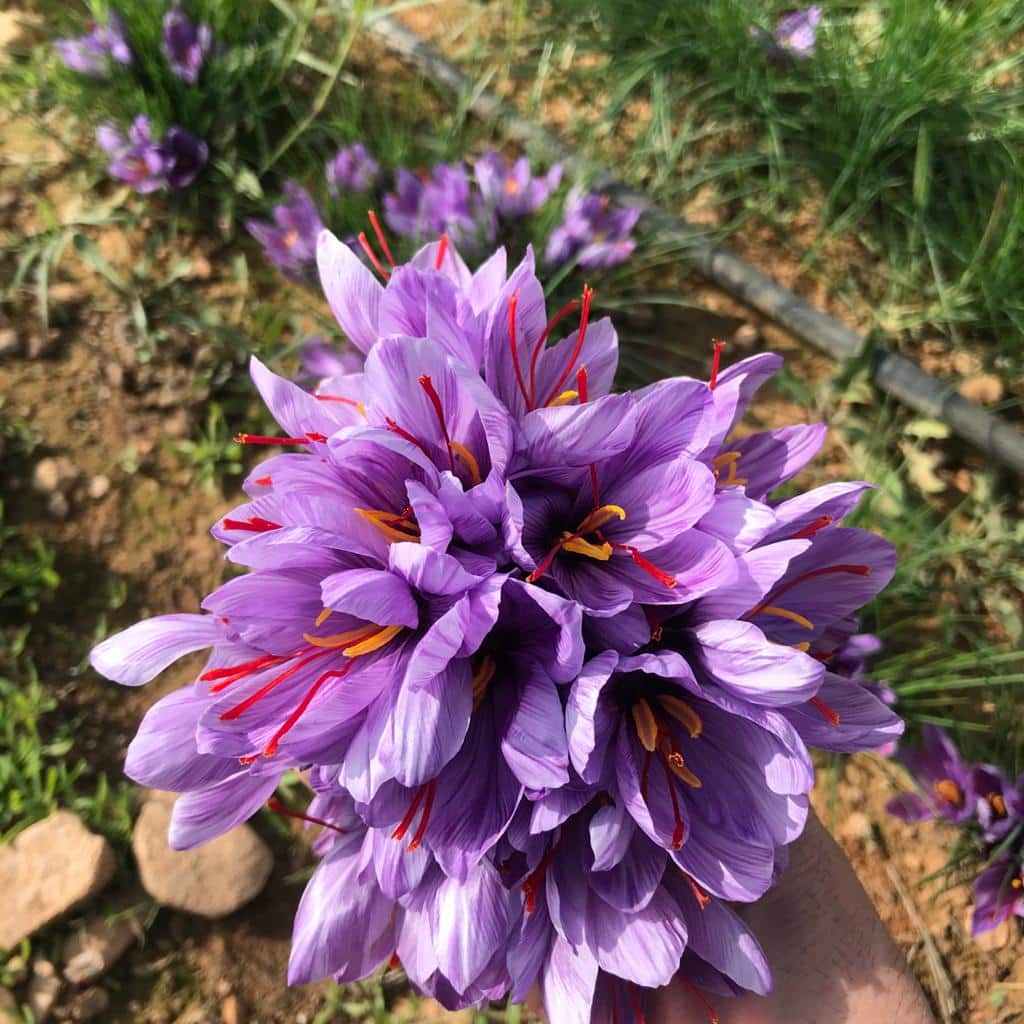
Զաֆրանը համարվում է կարմիր ոսկի կոչվող ամենաթանկ համեմունքը: Նուրբ և կարմիր են նրա մանուշակագույն ծաղիկի մխոցները: Ծագող արևից այրված երկրի գույնի լանդշաֆտում է զաֆրան մշակվում: Այստեղ՝ Քաայում, գյուղական գյուղում, որը գտնվում է Անտիլիբանանի ստորոտում՝ սիրիական սահմանից մի քանի կիլոմետր հեռավորության վրա, լիբանանյան բանակը 2017 թվականի ամռանը կռվել է ահաբեկիչների դեմ:
Ալ-Քաա. Զաֆրանի մշակման երկիր Լիբանանում:

Բայց այստեղ է նաև, որ Խալիլը և նրա որդին՝ Յուսեֆ Վեհբեն, զաֆրան են մշակում 2000 թվականից այն պահից, երբ ծաղիկը ներկայացվեց որպես Հերմելում ապօրինի աճեցման այլընտրանք: Սակայն պատմությամբ հարուստ այս տարածքը հայտնի է նաև իր արևահարված գյուղատնտեսական մթերքներով: Իսկապես, Վեհբեների ընտանիքը հավաքում է սմբուկները և պահում դրանք սխտորով և ընկույզով լցված բանկաների մեջ։ Այս սմբուկները, որոնք կոչվում են makdouss, պարտադիր ուտեստ են: Ընտանիքը նույնպես դա դարձրել է իրենց մասնագիտությունը:

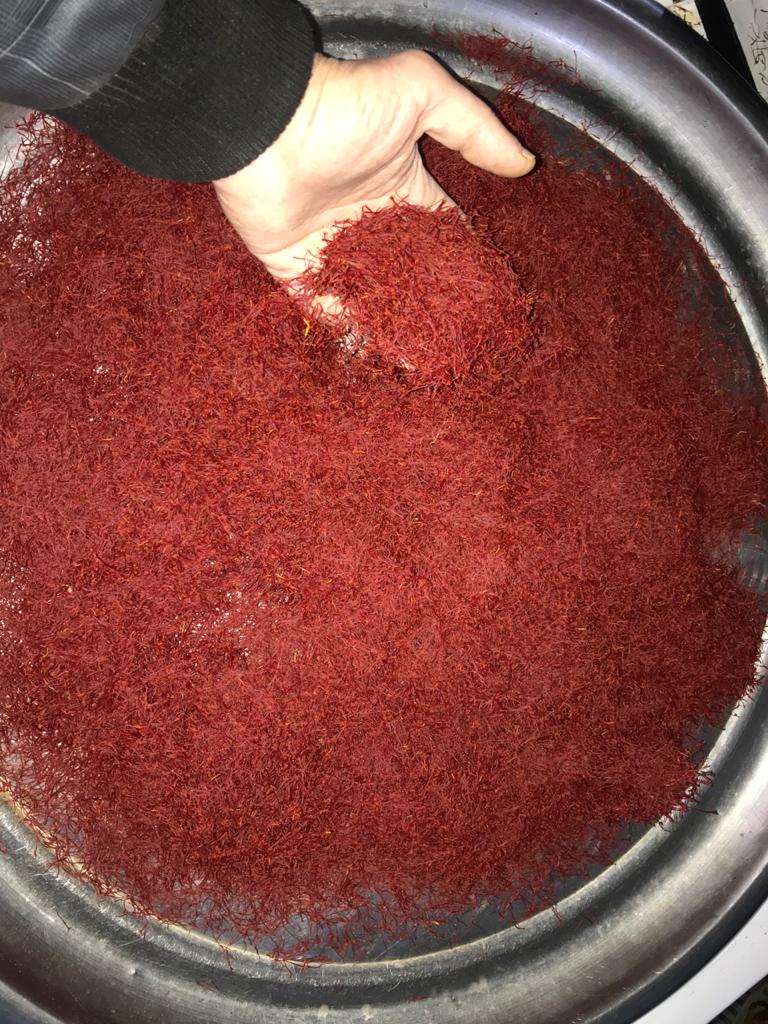
Եթե Լիբանանում սպառվող գրեթե ամբողջ զաֆրանը ներմուծվում է, և եթե լիբանանյան շուկան այն առաջարկում է տարբեր որակի, ապա Յուսեֆ Ուեհբեն այսօր արտադրում է լավագույնը. տարեկան մոտ չորս կիլոգրամ զաֆրան: Քսան տարի անց երիտասարդն անթերի շարունակում է զաֆրան արտադրողի իր կարիերան: Բերքահավաքը կատարվում է ձեռքով աշնանը այն բանից հետո, երբ ծագող արևի առաջին ճառագայթները ծաղկում են ծաղկաթերթերը։

Դեռևս քիչ օգտագործված լիբանանյան խոհանոցում, զաֆրանը, այնուամենայնիվ, առկա է մեր ավանդական սննդի մշակույթում: Այն բուրավետում է մսի և հավի ուտեստների բրինձը, քանի որ այն պատրաստվում է որպես ինֆուզիոն: Արդեն ընդունված Բեյրութի մեծ ռեստորանի կողմից, այն արդեն տեղական շուկայում է։ Միայն ժամանակի հարց է, որ լիբանանցիները այն օգտագործեն ճաշատեսակների և աղանդերի մեջ, որոնք նրանք նորից կհորինեն: Հավանաբար, մի օր մենք խնջույք անեինք զաֆրանից մի պաղպաղակ Քաայից, երբ ճամփորդում էինք մայրիների երկրում գտնվող ֆերմայում գտնվող տան ճանապարհով:

Raghida Samaha

Née au Liban dans une famille qui aime parcourir le pays à la découverte de son histoire et son terroir. Raghida Samaha a fait des études en langues vivantes. Sa prédilection pour les voyages, les arts et les anciennes civilisations l’ont amené à suivre une formation de guide touristique au Ministère de Tourisme Libanais. En 2006-2007 un DES en journalisme francophone lui a permis de traduire ses découvertes dans le magazine Cedar Wings; un moyen d’attire l’attention des lecteurs au sujet des trésors du pays.

Tous ses articles →

News

Al-Qaa: Land of saffron cultivation in Lebanon.

Al-Qaa: Land of saffron cultivation in Lebanon.
Beta translationThis article is an automated beta translation. Please use caution and verify sensitive details against the French original when needed.

Saffron is said to be the most valuable spice called red gold. Delicate and red are the pistils of its purplish flower. It is in a landscape the color of earth scorched by the rising sun that saffron is cultivated. Here in Qaa, a rural village located at the foot of Anti-Lebanon a few kilometers from the Syrian border, the Lebanese army fought the terrorists in the summer of 2017.

Al-Qaa: Land of saffron cultivation in Lebanon.

But it is also here that Khalil and his son Youssef Wehbé have been cultivating saffron since 2000 since the flower was introduced as an alternative to illicit cultivation in Hermel. But this area, rich in history, is also renowned for its sun-drenched agricultural products. Indeed, the Wehbé family harvests the eggplants and preserves them in jars filled with garlic and walnuts. Called makdouss, these eggplants are a must-have dish. The family has also made it their specialty.

If almost all the saffron consumed in Lebanon is imported and if the Lebanese market offers it of different qualities, Youssef Wehbé today produces the best; about four kilograms of saffron per year. Twenty years later, the young man is flawlessly pursuing his career as a saffron producer. The harvest is done by hand in the fall after the first rays of the rising sun make the petals bloom.

Still little used in Lebanese cuisine, saffron is nevertheless present in our traditional food culture. It flavors the rice of meat and chicken dishes as it is prepared as an infusion. Already adopted by a large restaurant in Beirut, it is already on the local market. It is only a matter of time for the Lebanese to use it in dishes and desserts that they will reinvent. Perhaps one day we would feast on saffron ice cream from Qaa while traveling the farmhouse road in the land of cedars.

·

Raghida Samaha - translated by IA

Née au Liban dans une famille qui aime parcourir le pays à la découverte de son histoire et son terroir. Raghida Samaha a fait des études en langues vivantes. Sa prédilection pour les voyages, les arts et les anciennes civilisations l’ont amené à suivre une formation de guide touristique au Ministère de Tourisme Libanais. En 2006-2007 un DES en journalisme francophone lui a permis de traduire ses découvertes dans le magazine Cedar Wings; un moyen d’attire l’attention des lecteurs au sujet des trésors du pays.

Tous ses articles →