






1. Local News
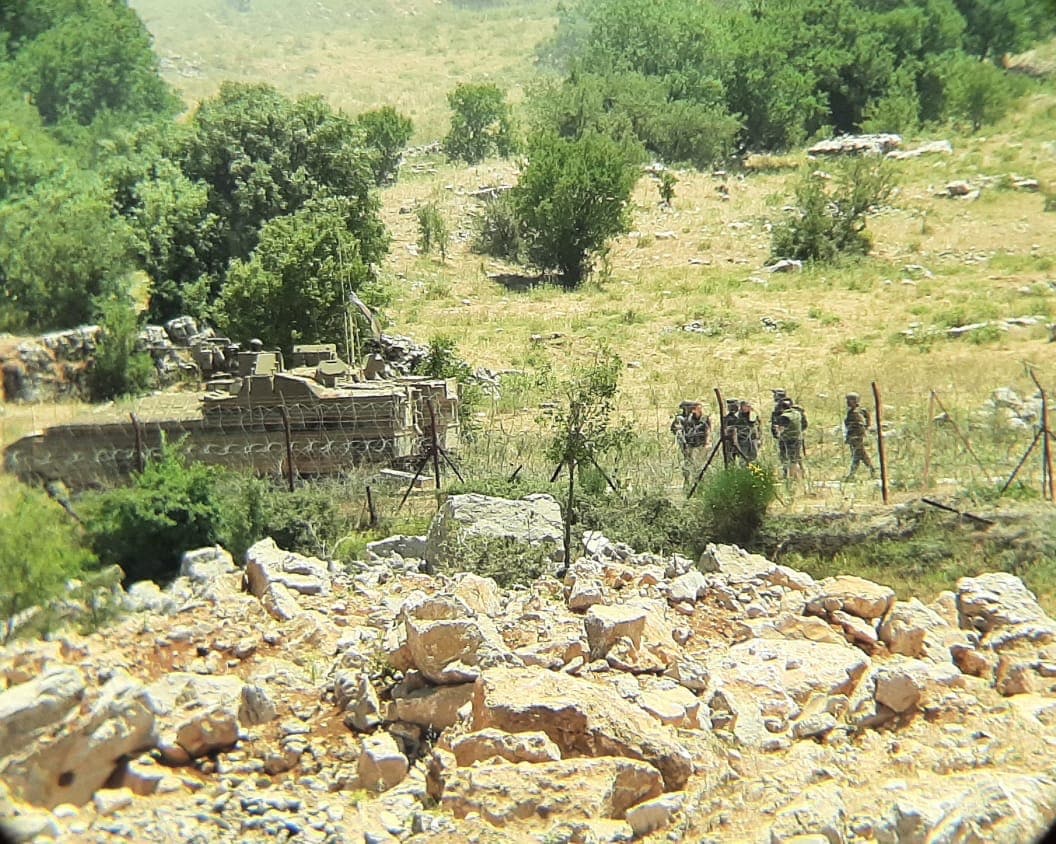
Military tensions in Lebanon continue to escalate, especially with the recent clashes between Hezbollah and the Israeli army. According to Al-Sharq Al-Awsat, Hezbollah launched a coordinated attack on an Israeli military base in Binyamina, located south of Haifa, causing the death of four Israeli soldiers. The Iran-backed party called the operation « complex and qualitative, » promising additional attacks if Israeli aggression against Lebanon persists.
According to Hezbollah, the attack came in retaliation for Israeli strikes on the Noueiri and Basta neighborhoods of Beirut, which killed at least 22 people, as well as other shelling in various Lebanese areas since the escalation began in September. The Al-Anbaa newspaper also points out that the Israeli army has intensified its airstrikes on southern Lebanon and the Bekaa region, hitting military and civilian targets, and causing significant damage. Among the areas hit, Hezbollah training camps near Saida were hit hard.
The Al-Bina newspaper reports that Hezbollah has carried out heroic operations, including in Aita al-Shaab, Maroun al-Ras, and Mays al-Jabal, where Israeli forces have suffered heavy losses. Hizbullah has also stepped up its use of drones, which it has launched at targets in the Nahariya area and Haifa. The incursion of Hezbollah drones, which managed to evade Israeli defense systems, created a shock among the Israeli forces, several of whose soldiers were killed in the explosions.
Comparez rapidement les prix des vols avec Fly2Leb.
2. Regional news
Regionally, diplomatic efforts to secure a ceasefire between Israel and Hezbollah have failed. According to Al-Anbaa, international efforts to bring the two sides back to the negotiating table have been undermined by Israel’s continued military escalation, particularly in the Gaza Strip and Lebanon. The newspaper notes that the Israeli army has formally requested the UN to withdraw UNIFIL forces from southern Lebanon. This request was accompanied by an escalation of Israeli threats to completely raze Lebanese villages near the border.
In an interview with Al-Anbaa, retired General Naji Mallaeb said that the Israeli request for UNIFIL forces to withdraw to five kilometers from southern Lebanon demonstrates a clear desire by Tel Aviv to penetrate further into Lebanese territory. Mallaeb stressed that if Israeli forces succeed in crossing the border, they will apply a « scorched earth » strategy, using internationally banned weapons. Still, he remains optimistic about the ability of the Lebanese resistance to push back Israeli forces, believing that Hezbollah still possesses the capacity to effectively counter ground incursions.
For his part, Al-Bina highlights the analysis of military experts according to which the operation carried out by Hezbollah in Binyamina demonstrates the growing technological superiority of the party. According to these experts, this attack not only inflicted severe losses on Israel but also exposed the flaws in Israel’s defense systems. In addition, regional observers, quoted by the newspaper, expect that other military surprises by Hezbollah will increase the pressure on Israel even more in the coming days.
3. International News and Diplomatic Developments
On the international scene, the war in Lebanon and the intensification of clashes in Gaza continue to be of concern to the major powers. According to AL Joumhrouia, French President Emmanuel Macron has repeatedly called for a ceasefire, speaking with Iranian President Massoud Beshkishan to solicit his support for de-escalation. France remains particularly active diplomatically, seeking to prevent the situation from getting any worse.
The Al-Liwaa newspaper reports that Israeli Prime Minister Benjamin Netanyahu has asked the UN to withdraw UNIFIL forces from Lebanon, saying their presence exposes them to attacks by Hezbollah. UN Secretary-General António Guterres, however, rejected this request, reaffirming the importance of the UNIFIL mission for regional stability. Guterres also reminded Israel of its obligations under international law, including the protection of peacekeepers.
At the same time, Al-Anbaa mentions that the United States has increased its military support for Israel by sending about 100 additional troops to operate the THAAD missile defense system. This American commitment comes in response to the intensification of Israeli strikes on Gaza and southern Lebanon, but also to the growing vulnerability of Israeli bases to Hezbollah attacks.
Other international actors, such as Saudi Arabia, are also playing a role in the crisis. According to Al-Liwaa, Saudi Ambassador to Lebanon Walid Bukhari reiterated his country’s commitment to support the Lebanese people through the continued delivery of humanitarian aid, while calling for an immediate cessation of hostilities. Bukhari stressed the importance for the international community to mobilize in order to end the spiral of violence.
Moreover, the most significant diplomatic development comes from the UN. At a special session of the Security Council, several states, including France, Italy and Spain, strongly criticized the Israeli attacks on UNIFIL. These countries expressed their unwavering support for the UN peacekeeping missions in Lebanon. During this session, the American envoy insisted on the implementation of resolutions 1559 and 1701, demanding the withdrawal of armed militias and the restoration of the authority of the Lebanese state over its entire territory. However, Hizbullah has firmly rejected any attempt at disarmament, and discussions in the Security Council appear to be stalling in the face of persistent differences among the various international actors.
Finally, Iran, through its president and foreign minister, reaffirmed its support for the Lebanese and Palestinian resistance. The Al-Anbaa newspaper reports that Iran is calling for an immediate cessation of Israeli strikes and a negotiated solution, while warning that a wider military escalation could destabilize the entire region.