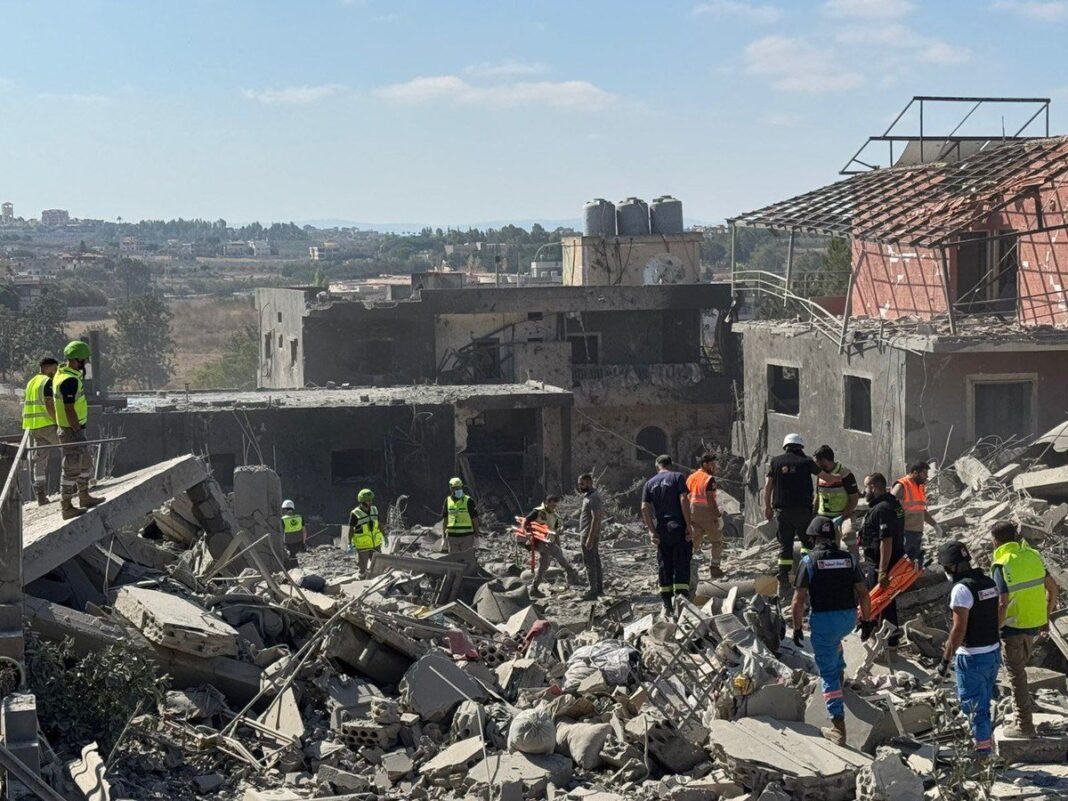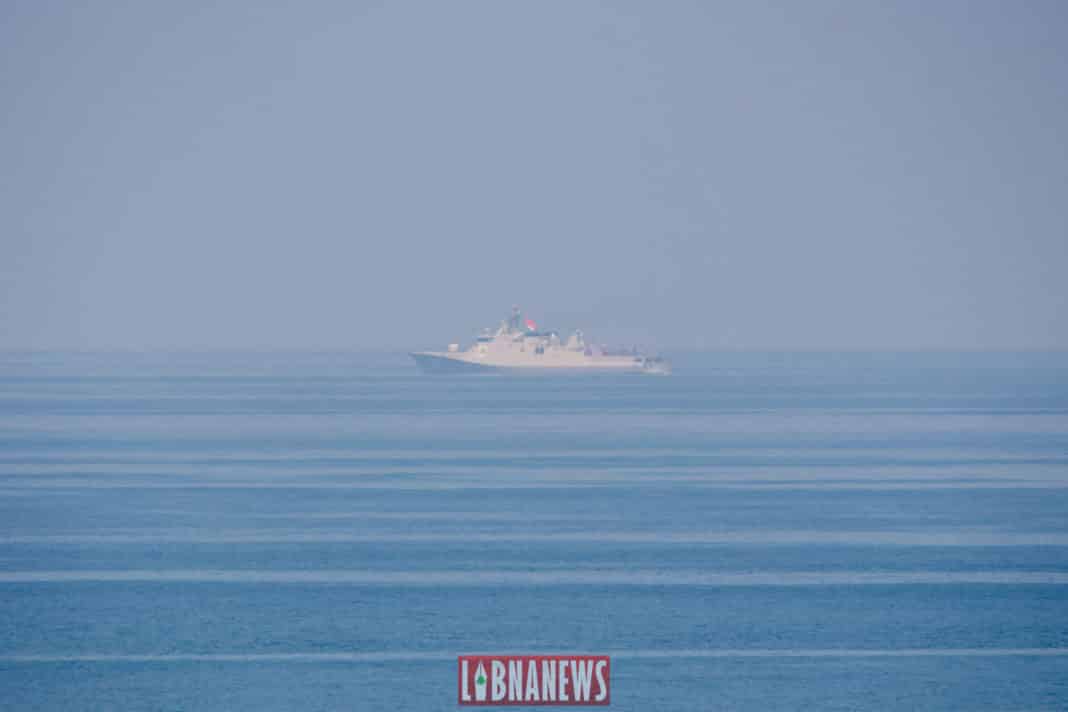






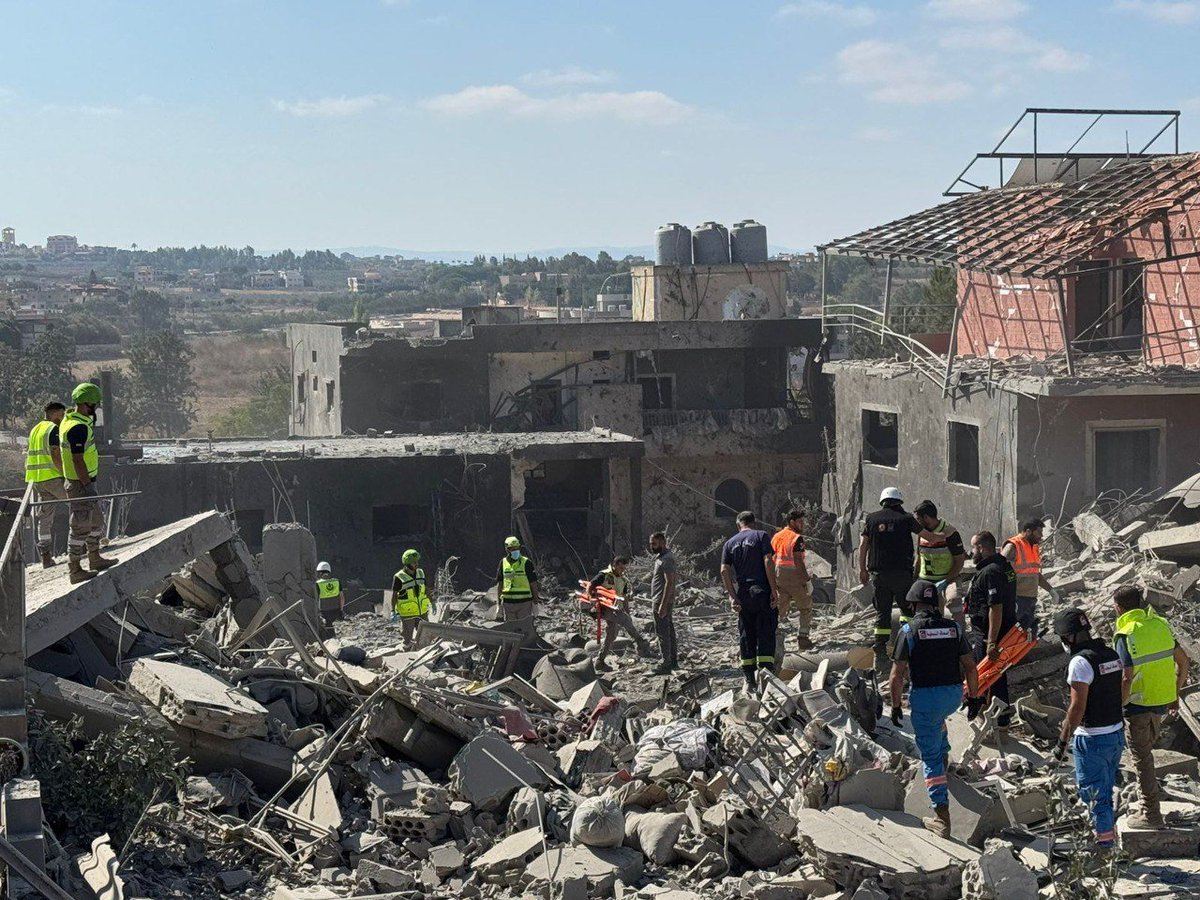
Since dawn, exchanges of fire have taken place between the Lebanese resistance forces and the Israeli army. At around 11 a.m., massive rocket fire was launched from southern Lebanon towards northern Israel, hitting the Galilee region in particular. Warning sirens sounded in several Israeli communities, including Kiryat Shmona and Kfar Blum. In response, the Israeli army carried out airstrikes targeting Hezbollah positions. Several strategic Israeli infrastructures in the north, including in Kiryat Biyaik and Haifa Bay, suffered considerable damage after the fall of Lebanese rockets.
The news also reports that at 9:30 a.m., an anti-tank missile strike from Lebanon killed two Israeli soldiers in the Yaroun area. The Lebanese resistance forces intensified their attacks on Israeli military targets, striking positions at the Yiftach military base at around 10 a.m.
2. Israeli bombing in response
Israel reacted quickly and forcefully to these attacks, increasing its strikes on cities in southern Lebanon. At around 9 a.m., shelling hit Khiyam and Zrarieh, causing significant material damage and several civilian casualties. Airstrikes also targeted the towns of Blat, Alma al-Shaab, and Nabatieh al-Fawqa around 10:30 a.m. Reports from Saida indicate that a raid hit a residential area in Zrariyeh, causing significant destruction. The heaviest strikes took place in the Naqoura area, where positions close to UNIFIL were targeted, resulting in the injury of two peacekeepers.
Suivez les principaux indicateurs économiques en temps réel.
In the city of Tyre, two Israeli raids took place between 10 a.m. and 11 a.m., targeting civilian and military infrastructure. Other strikes hit Jebchit, where three civilians are believed to have lost their lives. The bombing comes amid intensified Israeli operations along the southern border, where Israeli forces have stepped up air and ground attacks in response to Hezbollah rocket fire.
3. Diplomacy and politics: international efforts and growing tensions
On the diplomatic front, the situation in Lebanon continues to be of concern to the international community. Early this morning, at around 7am, Amnesty International expressed grave concern about Israel’s evacuation orders for civilians in southern Lebanon, calling the measures « potentially unlawful forced displacement » under international humanitarian law.
At 11 a.m., U.S. Secretary of State Antony Blinken urged the Lebanese government to « assume its responsibilities » and restore state authority throughout the territory, including in the south, which is largely controlled by Hezbollah. Blinken also expressed support for international efforts to avoid a broader escalation of the conflict in the region, while stressing the need for Israel to protect civilians in its operations.
At around 10:30 a.m., the Lebanese Parliament saw a meeting between several political blocs, where discussions focused on ways to find a political solution to the crisis. The Speaker of the Chamber of Deputies, Nabih Berri, met with the Apostolic Nuncio to Lebanon to discuss the humanitarian emergency and the need to reach a ceasefire.
4. International reactions: condemnations and calls for de-escalation
International reactions were quick to multiply. At around 9 a.m., UN Secretary-General António Guterres denounced the attacks on UNIFIL positions in Naqoura, calling them « serious violations of international law. » He reiterated the importance of protecting the peacekeeping forces operating in southern Lebanon.
For his part, Vassily Nebenzia, Russia’s permanent representative to the United Nations, said in a Security Council meeting at around 2 a.m . that « the escalation chosen by Israel in Lebanon could provoke a major regional conflict. » He called for intensified diplomatic efforts to prevent a full-scale war.
Iran, through its ambassador to the UN at around 1:30 a.m., condemned the Israeli actions, saying that its country was ready to defend itself in the face of any aggression, but that it was not seeking a direct confrontation. Tehran, however, has warned that an attack on its interests would lead to a harsh response.
5. The rest: humanitarian consequences and local mobilizations
The humanitarian situation in Lebanon and the region continues to deteriorate. In Palestine, the World Health Organization (WHO) announced at around 11:30 a.m. that health services in northern Gaza are virtually non-existent, with infrastructure destroyed and access to humanitarian aid completely blocked by Israel. The situation in this region is becoming critical, with thousands of civilians trapped without the possibility of evacuation.
In addition, testimonies on the ground confirm that major fires broke out in several areas of northern Israel after the rocket fire from Lebanon. Israeli rescue services are overwhelmed, with fires spreading quickly due to the heat and dry weather conditions.
In addition, on the Lebanese domestic front, infrastructure is seriously affected. Main roads, particularly around Tyre and Saida, were cut off due to shelling and damage. Tension is palpable in urban areas, where the population fears new strikes. The Lebanese Red Crescent and other local humanitarian organizations are struggling to cope with the influx of wounded and material damage.
At 7 a.m. this morning, the Israeli army also issued messages asking residents of southern Lebanon to evacuate the area immediately, citing imminent risks of more intensive shelling. This measure has raised questions about the possibility of a massive displacement of civilian populations to northern Lebanon, in a context where humanitarian infrastructure is already under great pressure.