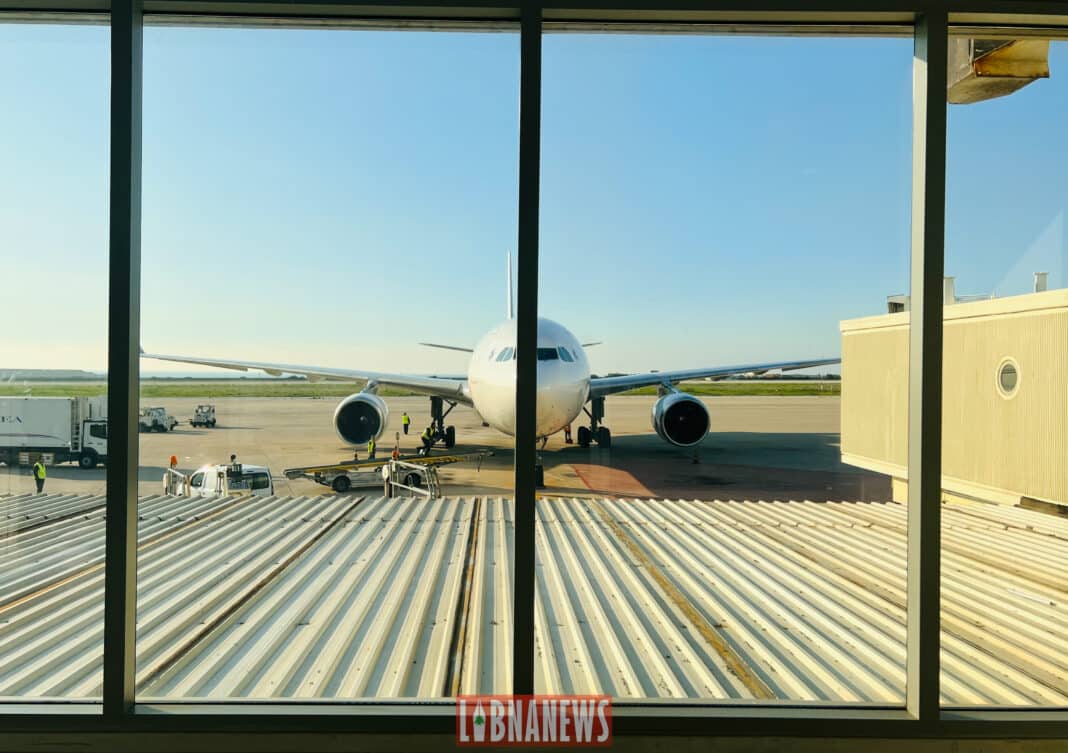






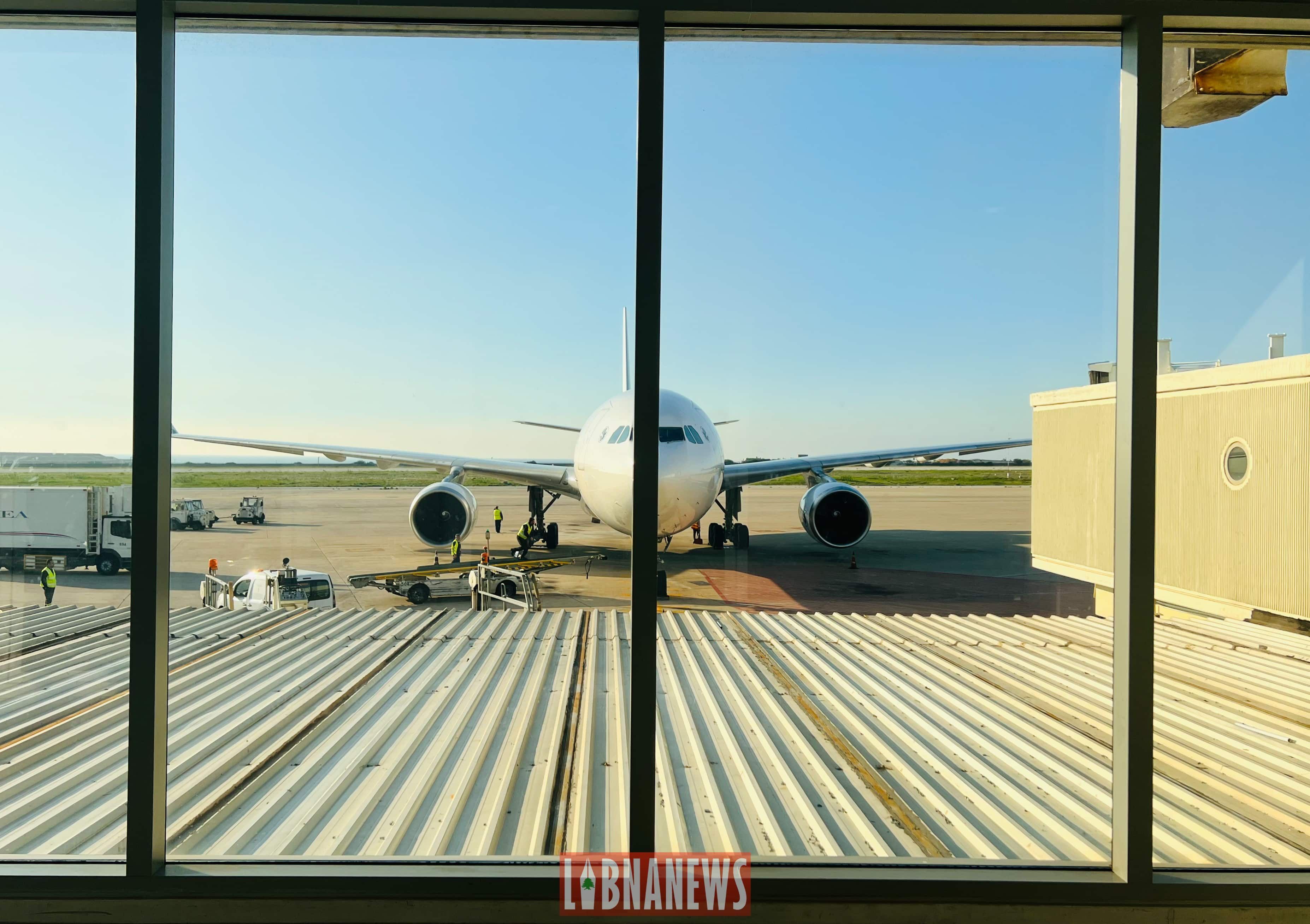
As Lebanon goes through one of the most serious crises in its recent history, Beirut’s Rafik Hariri International Airport remains a crucial infrastructure, not only for the delivery of humanitarian aid, but also for maintaining a minimum of connections with the outside world. However, as military tensions escalate with Israel, the airport is becoming increasingly vulnerable and at the heart of the Lebanese government’s security concerns.
Enhanced security measures
In the face of growing threats, Interior Minister Bassam Mawlawi announced from the Grand Serail that strict instructions have been given to airport security personnel. These measures aim to ensure that all security operations, including passenger and cargo inspections, are carried out with maximum vigilance to avoid breaches. Mawlawi stressed that the main goal is to remove any potential danger from this vital infrastructure. The minister also insisted on the importance of leaving no loophole in the security system, by strengthening controls at all levels.
For his part, Ali Hamie, Minister of Transport and Public Works, said that all arrivals at the airport, whether commercial or humanitarian flights, must receive approval from the Lebanese Air Force before being allowed to land. He added that the security personnel stationed at the airport systematically carry out the necessary checks, in accordance with the laws in force. Each shipment is inspected upon arrival to ensure that no threat reaches Lebanese soil through this route. This coordination between the civilian and military authorities is considered essential to keep the airport secure in a context where Israeli strikes are multiplying.
Comparez rapidement les prix des vols avec Fly2Leb.
The airport’s crucial role in the delivery of humanitarian aid
Despite the risks, Beirut airport remains a crucial entry point for international assistance. Six new humanitarian flights from the United Arab Emirates were received recently, carrying medical supplies, food and other essential equipment to help the Lebanese population, which is increasingly affected by Israeli airstrikes and the resulting humanitarian crisis.
The outgoing Prime Minister, Najib Mikati, has held several emergency meetings to ensure that the airport remains functional despite the difficult circumstances. He reiterated the importance of ensuring that the airport can continue to serve as a humanitarian corridor, while strictly adhering to security standards. Mikati insisted on the rigorous enforcement of laws, in coordination with the armed forces, to ensure that all activities at the airport comply with the enhanced security protocols.
Infrastructure under pressure
As the Israeli aggression continues, with repeated strikes on military and civilian targets throughout Lebanon, the airport is under constant pressure to maintain its operations. The air strikes on the southern suburbs of Beirut, close to the airport, increase the risk of damage to infrastructure. Although the airport has not yet been directly targeted, the threat remains, especially as Israeli military operations move closer and closer to the capital.
Discussions are underway within the government to consider contingency plans in case the situation worsens further. A temporary suspension of commercial flights has been discussed if the strikes get even closer to the airport. However, for the time being, the authorities insist on the need to keep this infrastructure open to guarantee the continuity of vital operations, especially for humanitarian missions. Ali Hamie also stressed that, despite the ongoing Israeli attacks, the government, with the support of the armed forces, is trying to guarantee the security of airport infrastructure and maintain air traffic.