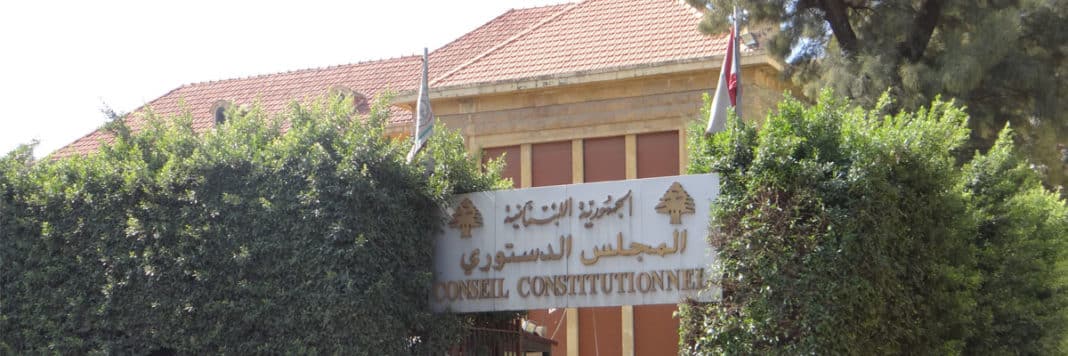






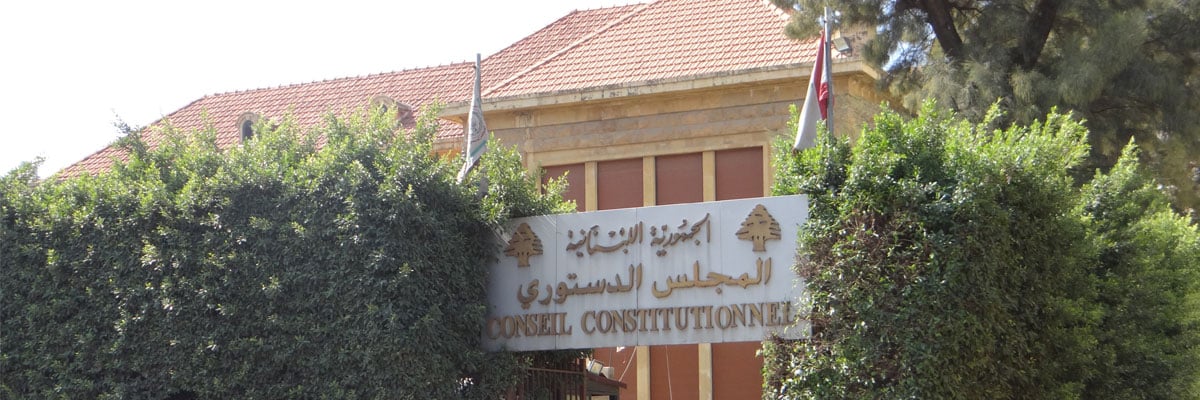
The State Shura Council issued a decision stopping the implementation of the basic circular issued by the Governor of the Banque du Liban on 03/24/2021 under number 13318. As a reminder, this circular allowed Lebanese banks to withdraw their foreign currencies in Lebanese pound up to the parity rate of 3,900 LL / USD.
According to the decision which was rendered, local banks are obliged to allow the withdrawal of sums deposited in dollar or foreign currency accounts with this currency and not in Lebanese pound.
As a reminder, the Banque du Liban published on October 9, 2 circulars, one allowing the withdrawal of funds from existing accounts denominated in dollars for the equivalent in Lebanese pound at the so-called market rate, i.e. 3900 LL / USD “Subject to the consent of the depositor” and “according to the procedures and limits approved by the bank concerned” and a second addressed to banks and to persons wishing to deposit foreign currency. The latter allows an individual to deposit an amount in foreign currency credited at the official rate, i.e. 1507 LL / USD .
Comparez rapidement les prix des vols avec Fly2Leb.
For the time being, Lebanese banks have not yet reacted to this decision. However, some sources have indicated that they expect them to appeal, the withdrawal of dollar accounts in foreign currencies leading them to be insolvent due to the fact that a majority of funds deposited in foreign currencies (up to 83% of total deposits) which have been transferred to the Banque du Liban in return for financial products denominated in Lebanese pounds or in the form of local bonds also in Lebanese pounds. The difference between the official rate and the unofficial rate of the Lebanese pound against the dollar would thus increase the losses of the financial sector today considered insolvent by many independent actors but something rejected by the Banque du Liban and the shareholders of local banks.
Some scenarios suggest that the cost of recapitalizing Lebanese banks could even exceed $ 100 billion as noted a report published by the rating agency S&P last week, i.e. more than twice the GDP in 2018, leading to a necessary bail-out of existing shareholders and a bail-in of part of the depositors, as well as a discount that could go up to 63% of the sums deposited , the highest rate in the world, despite the reassuring remarks of the governor of the Banque du Liban who announced at the same time that he wanted to allow depositors to withdraw up to USD 50,000 over 3 years by June . This announcement, however, came as the Banque du Liban announced the end of the drug purchase subsidy program.
The authors of the S&P report accuse the monetary authorities of having made the depositors assume these losses and not the shareholders of the banks via circular 154 which called for an increase in the capital of institutions.
Des banques lourdement impactées par la crise économique
Les banques libanaises sont, pour leur part, lourdement impactées par la crise économique que traverse le Liban. Cette crise est apparue au grand jour avec les fameuses pénuries de devises étrangères dès mai 2019, d’abord mises sur le dos de problèmes logistiques par la Banque du Liban avant de finalement reconnaitre que les établissements privés faisaient face à d’importantes crises de liquidité. L’ABL avait alors mis en place un contrôle informel des capitaux dès novembre 2019.
Jusqu’à présent, les banques libanaises refusent généralement de permettre aux déposants de disposer librement de leurs fonds.
Dès 2019, de nombreux incidents avaient alors éclaté dans les succursales bancaires, des déposants exigeant de pouvoir retirer leurs fonds, ce que refusaient les responsables des banques alors que devrait prochainement être détaillé la répartition des pertes du secteur bancaire, estimée à 69 milliards de dollars selon le gouvernement Mikati III, 83 milliards de dollars selon le gouvernement précédent, un chiffre proche de celui du FMI et à 103 milliards de dollars selon certaines agences de notation.
Au total, les 14 premières banques libanaises à elles-seules nécessiteraient une injection de 65 milliards de dollars, bien au-delà des possibilités d’aide économique estimée à 26 milliards de dollars. Aussi, les haircuts sur les eurobonds ou encore sur une partie des obligations libanaises semblent devenir inévitables, en dépit de la hausse des fonds propres sur décision d’une circulaire de la Banque du Liban.
Depuis, si côté libanais, les décisions judiciaires sont pour l’heure bloquées et l’épargne toujours bloqué amenant à des opérations de retraits forcés menés par des déposants en colère, côté international, plusieurs banques libanaises ont été condamnées à verser d’importantes sommes dues à des résidents à l’étranger, notamment en Angleterre ou encore en France. ,