





The situation in southern Lebanon and Israel continues to deteriorate as fighting intensifies, marking a new stage in the escalation of the conflict between Israeli forces and Hezbollah. At the same time, clashes also continue in the Gaza Strip and the West Bank, where civilians continue to suffer the consequences of Israeli strikes and ground offensives.
Intensification of hostilities in southern Lebanon
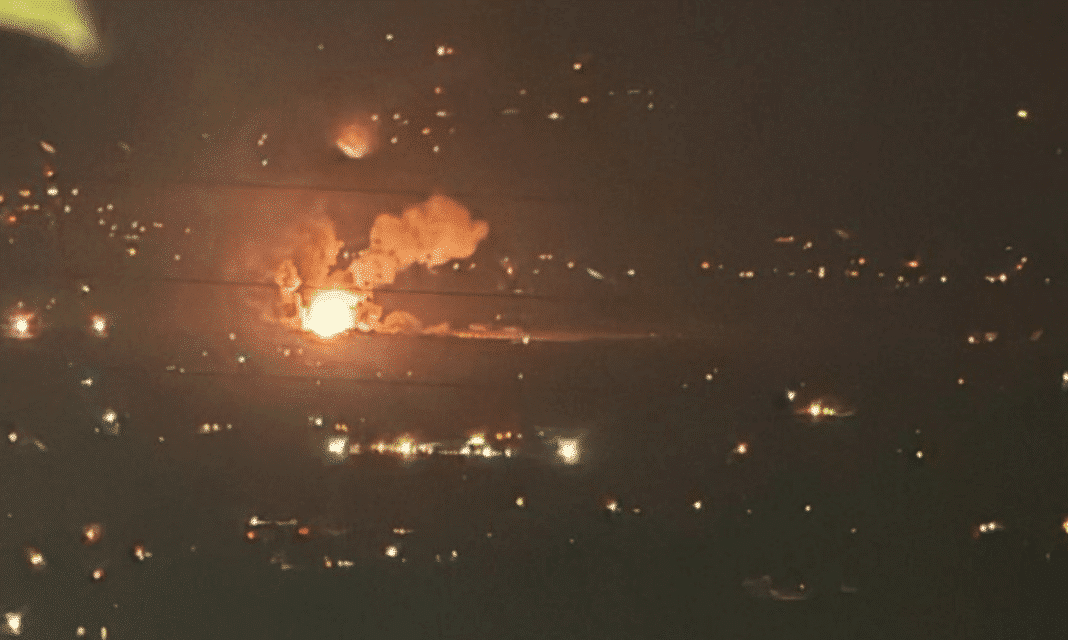
For several days, the southern region of Lebanon has been the scene of intense air strikes carried out by the Israeli army. The localities of Kafr Tibnit, Nabi Sheet, and other villages in the south and the Bekaa Valley, such as Ali Al-Nahri and Al-Bazaliya, were targeted. These raids caused significant destruction, particularly in residential areas, and caused the death of several Lebanese civilians. Hizbullah, for its part, has intensified its attacks on Israeli positions on the border, including in Avivim and Maroun al-Ras. In a statement, the organization claimed to have inflicted significant losses on the Israeli army, claiming to have destroyed an Israeli force that was trying to enter the Labouna area.
Comparez rapidement les prix des vols avec Fly2Leb.
Israeli airstrikes also hit the southern suburbs of Beirut, a Hezbollah stronghold, as well as several areas in the Bekaa Valley. Hezbollah responds with rocket fire to each Israeli strike, targeting Israeli communities such as Avivim, Shlomi, and towns in the Galilee region of northern Israel. This relentless game of retaliation has led to an unprecedented escalation of tensions in the region.
Impact in Israel
On the other side of the border, northern Israel is also under fire from Hezbollah rockets. Warning sirens sound daily in the localities of the western Galilee, causing a climate of terror among the civilian population. The city of Haifa and its surroundings have been hit several times by rocket fire, forcing the Israeli authorities to keep residents in bomb shelters. The situation in Haifa is of particular concern, with explosions reported in the Carmel area and rocket alerts continuing to sound.
The human toll on the Israeli side continues to rise. According to Israeli media, more than 35 IDF soldiers and officers have been killed, while more than 200 others have been wounded since the clashes began. The front line in the north, near the Lebanese border, has become one of the main theaters of operations for the Israeli army, which is trying to repel Hezbollah incursions.
Strikes in the West Bank and Gaza
In parallel with the escalation in Lebanon, the situation in Gaza is equally alarming. Since the beginning of the Israeli offensive, strikes have multiplied in the Palestinian enclave, particularly in the neighborhoods of Shuja’iyya, Zeitoun, and Beit Lahia. The raids have caused the death of many Palestinian civilians, with the latest toll reporting more than 2,100 dead and more than 1,000 wounded since the beginning of hostilities. Civilian infrastructure, including hospitals, is not spared. The Kamal Adwan medical center in northern Gaza has been repeatedly targeted by Israeli artillery.
Israel justifies its actions by saying it wants to neutralize the military infrastructure of Hamas and other Palestinian militant groups, but civilian casualties continue to fuel international calls for de-escalation. The Israeli army also conducts incursions into West Bank cities such as Ramallah and Qalqilya, provoking violent clashes with residents.
Regional involvement and the role of Hezbollah
Hezbollah, a longtime ally of Hamas, reiterated its unconditional support for the Palestinian cause and intensified its attacks on Israel in a show of solidarity. The growing role of pro-Hezbollah Iraqi militant groups in the conflict is also notable. Several drone attacks have been claimed against Israeli targets, including in the occupied Golan and northern Israel.
Hezbollah’s rhetoric continues to galvanize its supporters, with calls for resistance in the face of what the organization describes as Israeli aggression against Lebanese sovereignty. Hassan Nasrallah, leader of Hezbollah, was killed in an Israeli strike according to Israeli sources, but this information remains unconfirmed by independent sources.
Humanitarian impacts
The humanitarian situation in southern Lebanon and Gaza is critical. Thousands of civilians have been displaced by Israeli strikes, and many are living in precarious conditions. Schools and hospitals are overcrowded, while access to basic necessities is becoming increasingly difficult. In Gaza, hospitals are operating at full capacity, and the UN has expressed concern over the rapidly deteriorating living conditions in the enclave.
The UN High Commissioner for Human Rights has called for an end to hostilities, denouncing violations of international humanitarian law committed by all parties to the conflict. The evacuation of civilian populations, particularly in the southern suburbs of Beirut and in the Bekaa Valley, is facing logistical difficulties and the persistence of strikes.
Diplomatic efforts for de-escalation
In the face of escalating violence, diplomatic efforts are underway to try to reach a ceasefire. The international community, under the leadership of the UN, is multiplying calls for de-escalation. United Nations Secretary-General António Guterres recently said that Lebanon and Israel are « on the brink of a full-scale war » and urged the parties to respect the sovereignty and territorial integrity of neighbouring states. The United States, while supporting Israeli operations against Hezbollah, continues to call for indirect talks to avoid a wider war in the region.
At the same time, informal talks would take place under French and Egyptian mediation to try to establish a ceasefire between Israel and Hezbollah. French diplomats have suggested that the demilitarization of southern Lebanon and the withdrawal of Hezbollah north of the Litani River could be conditions for a ceasefire. However, these proposals are met with strong opposition from Hezbollah, which continues to claim its right to defend Lebanese sovereignty.
Egypt, which plays a central role in the Gaza negotiations, also warned that the mass displacement of Palestinians to the Egyptian border would be an unacceptable « red line, » calling for a lasting diplomatic solution based on the recognition of Palestinian sovereignty. However, these negotiations remain uncertain, as the situation on the ground continues to deteriorate.