





On October 6, 2024, military tensions between Israel and Lebanon reached a critical level, as Israeli bombing and Hezbollah retaliation increased. The humanitarian situation in Lebanon is becoming increasingly dire, while political and diplomatic developments are trying, so far in vain, to contain the escalation. This article presents a comprehensive overview of the situation, including the bombings, retaliation, evacuation orders, Netanyahu’s tour, as well as the humanitarian and diplomatic consequences.
Morning of October 6, 2024: Strikes and Counterattacks
From dawn, massive Israeli bombardments targeted supposed Hezbollah positions in southern Lebanon. At around 7:00 a.m., strikes hit the localities of Baraachit and Tebnine, causing massive explosions and considerable destruction. Although the targets are officially Hezbollah military installations, many civilians have been affected by the bombings. Residents took refuge as best they could in underground shelters, but the force of the strikes made any protection precarious.
The southern suburbs of Beirut have not been spared. At 9:52 a.m., Israeli strikes targeted densely populated neighborhoods in Burj al-Barajneh and Ghobeiry, destroying several residential buildings. Lebanese authorities confirmed that 23 civilians were killed in the attacks and 93 others were injured. Beirut’s hospitals, already under pressure from the economic crisis, are struggling to cope with the sudden influx of wounded.
Comparez rapidement les prix des vols avec Fly2Leb.
At the same time, Hezbollah responded with rocket fire into northern Israel. At 8:45 a.m., sirens sounded in the Israeli cities of Haifa and Nahariya, signaling rocket fire from Lebanon. The attacks caused panic among the Israeli population, who rushed to the shelters. Iron Dome intercepted some of the rockets, but some hit their targets, causing material damage in Israeli border settlements.
Hezbollah Evacuation Orders and Responses
At around 12:00 p.m., the Israeli authorities issued evacuation orders for several localities in southern Lebanon. Among the villages concerned are Houla, Mays al-Jabal, Blida, Shaqra, Baraachit, and Taybeh. The orders were aimed at protecting Lebanese civilians as clashes continued to escalate, according to the Israeli army. Thousands of people have fled their homes, taking refuge in safer areas in the north, although reception infrastructure is largely insufficient to deal with this IDP crisis.
At the same time, Israeli bombing continued. At 1:45 p.m., an airstrike hit the Blida region, causing further damage to civilian and military infrastructure. Hezbollah retaliated immediately, launching a salvo of rockets at the Israeli military bases of Kiryat Shmona and Shlomi. These attacks have caused sirens to activate in these cities, forcing people to evacuate to shelters.
At 2:20 p.m., Israeli strikes targeted the village of Kfarchouba in southern Lebanon, where gatherings of Hezbollah soldiers had been reported. In response, Hezbollah launched a coordinated attack with kamikaze drones at 4:23 p.m . on an Israeli base near Haifa, causing extensive damage to military installations. The attack marks a turning point in Hezbollah’s tactics, which are increasingly using drones to strike strategic targets in Israel.
Netanyahu’s tour of northern Israel
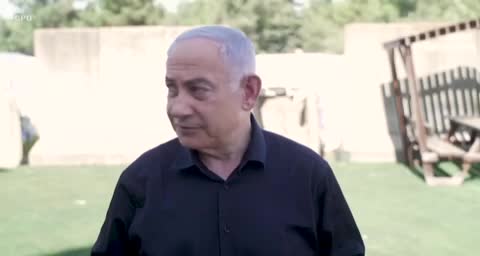
Amid rising tensions, Israeli Prime Minister Benjamin Netanyahu began a tour of Israeli military bases along the Lebanese border at around 12:30 p.m. The tour was intended to reassure Israeli troops deployed in northern Israel and galvanize domestic support within the army. Netanyahu, addressing the soldiers, called them « heroes of the nation, » saying their determination was essential to ensuring Israel’s security in the face of external threats. He also stressed the importance of the ongoing operations to dismantle Hezbollah’s military infrastructure.
Netanyahu used the tour to reiterate his hard line against Hezbollah and other armed factions operating out of Lebanon. In his statements, he warned that any attack on Israel would be immediately met with massive military retaliation. According to him, the goal is to neutralize the threats posed by Hezbollah before they can cause more damage in Israeli territory.
Intensification of Strikes and Humanitarian Repercussions
The afternoon saw a new wave of Israeli airstrikes on Lebanon. At 3:00 p.m., shelling hit the village of Khiyam, causing heavy damage to civilian infrastructure, including schools and hospitals. Local authorities have reported several deaths and injuries, but rescue workers are struggling to access the affected areas due to ongoing fighting.
Meanwhile, Hezbollah continued its attacks by launching new salvos of rockets at northern Israel. At around 4:07 p.m., rocket fire hit several Israeli communities near the border, prompting alerts in the towns of Shlomi, Neve Ziv, and Hanita. These attacks, although less lethal thanks to Israeli defense systems, have exacerbated panic among the Israeli civilian population.
At 4:39 p.m., an Israeli strike again targeted the southern suburbs of Beirut, including the Burj al-Barajneh area, which had already been badly hit earlier in the day. Hezbollah quickly retaliated at 4:45 p.m. by firing rockets at Israeli military positions near Blida, causing casualties in the Israeli ranks.
These repeated strikes have had a devastating impact on the Lebanese civilian population. The medical infrastructure in southern Lebanon, particularly in Tyre and Saida, is on the verge of collapse. At 3:33 p.m., Dr. Georges Kettaneh, secretary general of the Lebanese Red Cross, made an urgent appeal to the international community to provide medical and humanitarian assistance to Lebanon. He warned that without prompt assistance, thousands of lives would be at risk, as hospitals are severely short of medicines, medical equipment and staff to treat the injured.
The Lebanese Red Crescent and other humanitarian organizations are struggling to respond to the crisis. Israeli shelling has damaged several humanitarian aid distribution centres, while roads leading to the worst-affected areas are often cut off or deemed too dangerous to allow the delivery of aid.
Political and Diplomatic Reactions
On the political front, Lebanon’s leaders are under pressure to find a diplomatic solution that could end hostilities. Lebanese Prime Minister Najib Mikati renewed his call for an immediate ceasefire at around 5:00 p.m., calling on the international community to exert pressure on Israel to stop the bombing and implement UN Resolution 1701, which calls for the cessation of hostilities and the withdrawal of Israeli forces from Lebanese territory.
In Israel, Netanyahu has strengthened his position, declaring during his tour that the goal of the military operations is to dismantle all of Hezbollah’s military infrastructure in Lebanon. In a 6:30 p.m. phone call with French President Emmanuel Macron, Netanyahu insisted that Israeli actions were necessary to ensure Israel’s long-term security. He also rejected international calls for an immediate ceasefire, saying the military campaign would continue until the goals were achieved.
On the diplomatic side, the international community is trying to calm tensions. US Vice President Kamala Harris announced that the United States would exert more pressure on Israel to secure a ceasefire, while reaffirming Washington’s support for Israel’s security. At the same time, the United Arab Emirateslaunched a humanitarian aid campaign for Lebanon, scheduled for October 8-21, while Jordan and other Arab countries expressed their support for Lebanese sovereignty.