





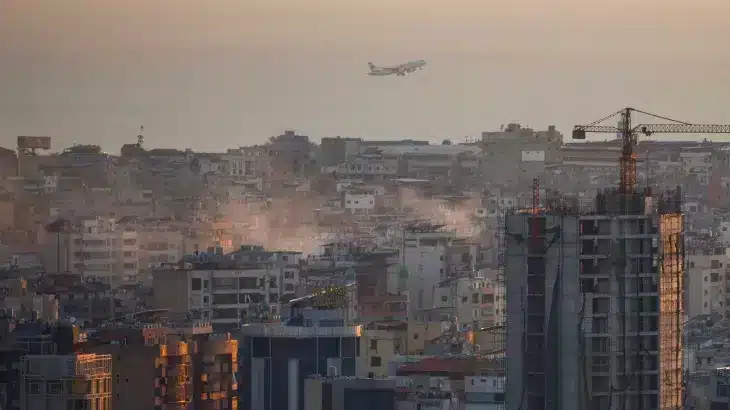
This morning, October 7, 2024, the situation in Lebanon is marked by an unprecedented intensification of Israeli strikes, while Hezbollah and Palestinian armed factions are responding with constant rocket fire in the direction of Israel. The fighting is particularly concentrated in southern Lebanon and the southern suburbs of Beirut, but also on other fronts, including Gaza and along the Lebanese-Israeli border. At the same time, Beirut’s Rafik Hariri International Airport is becoming a major concern, both for its security and for its critical role in the delivery of humanitarian aid.
Intensifying Israeli strikes in Lebanon and beyond
Since the early hours of the morning, Israeli strikes have hit various Lebanese localities intensively. At around 12:50 p.m., rockets fell in the area of Kfar Vardim and Karmiel in northern Israel, activating warning sirens and prompting searches by Israeli emergency services for casualties. Shortly before, a series of airstrikes hit the villages of Bazourieh, Zohtar, Sijd, Zefta and Khiam in southern Lebanon, worsening an already catastrophic situation. According to local authorities, more than 600 strikes have been carried out by Israel on Lebanon in the past 24 hours, causing the death of nearly 250 people. Baalbek-Hermel Governor Bashir Khodr said dozens of civilians are still trapped under the rubble and rescue efforts are hampered by the intensity of shelling.
At the same time, the situation in Gaza is also critical. Hamas’ Al-Qassam Brigades claimed close combat against Israeli forces in Jabaliya, northern Gaza, causing casualties in the Israeli ranks. The death toll in Gaza since the start of the conflict now exceeds 41,000, with more than 60 per cent of these victims being women and children. Gaza’s Ministry of Health continues to call for international help to deal with this humanitarian disaster.
Comparez rapidement les prix des vols avec Fly2Leb.
Response by Hezbollah and Palestinian factions
Hezbollah continues its retaliation by firing rockets at several Israeli positions in the north of the country. At around 12:08 p.m., the group announced that it had targeted the Nimra base, a key military installation west of Tiberias, with a series of « Fadi 1 » rockets. At the same time, rockets were also fired at the area of Karmiel and Maalot Tarshiha in northern Israel, prompting new alerts throughout the Western Galilee. These attacks come in response to continued Israeli strikes on Hezbollah strongholds in southern Beirut and in Lebanon’s southern border region.
The day before, Israeli strikes had already hit suspected Hezbollah military positions in Maroun al-Ras, while clashes continued in other localities near the border, including in Srifa, where four civilians were killed in a strike on a house. The clashes also spread beyond the Lebanese border, with Israeli strikes targeting military positions in Syria, resulting in the deaths of at least 30 Assad regime soldiers.
The critical role of Beirut airport
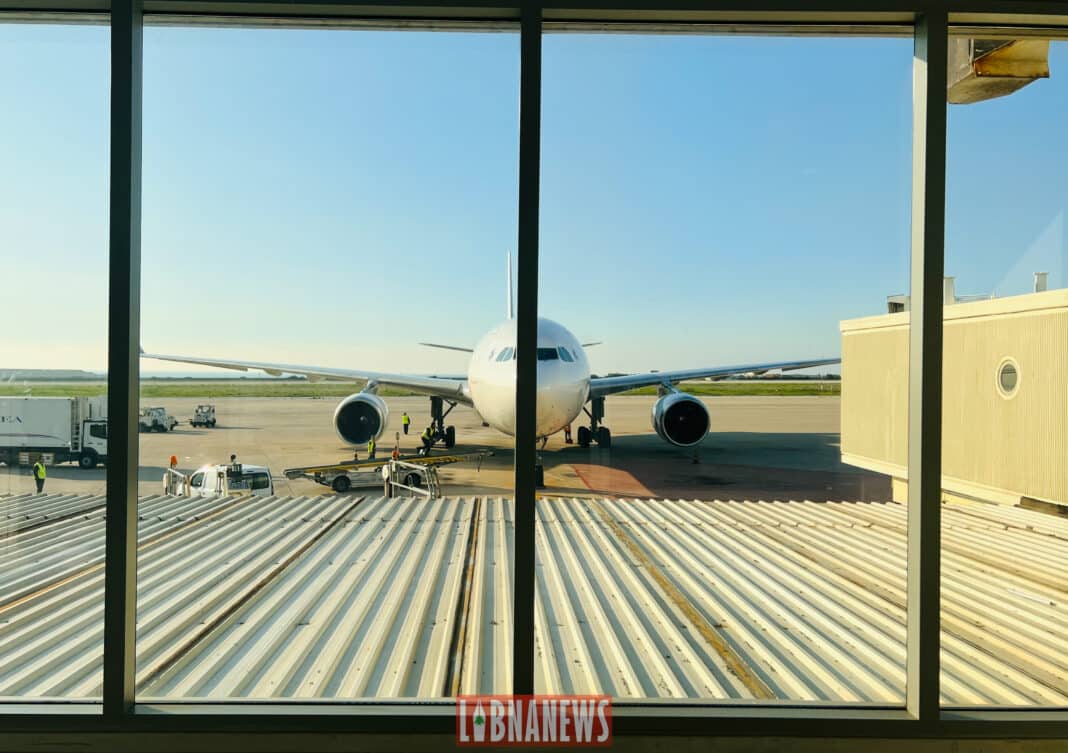
Beirut’s Rafik Hariri International Airport, one of the country’s strategic infrastructure, faces increasing threats as Israeli strikes continue to close in on the capital. Ali Hamie, Minister of Transport and Public Works, stressed the importance of keeping the airport operational despite the war conditions. Under the supervision of the Lebanese Armed Forces, enhanced security measures have been put in place to ensure that flights, including those carrying humanitarian assistance, can continue.
Cargo inspections are systematically stepped up with each arrival, with increased control of aircraft and cargo by the Lebanese military, which verifies compliance with national security laws. Interior Minister Bassam Mawlawi also said strict instructions were given to the airport’s security unit to avoid any loopholes that could allow infiltration or attack.
Despite these precautions, there are fears that the airport could become a major target of Israeli strikes. Discussions held at the Grand Serail included the possibility of temporarily suspending commercial flights if the attacks get closer to the capital. However, so far, the airport continues to operate, including receiving humanitarian flights from the United Arab Emirates, with six new rotations organised to deliver essential supplies.
The humanitarian crisis in Lebanon and the impact of mass displacement
The humanitarian crisis is worsening by the day as civilians flee the areas affected by the bombings en masse. Thousands of Lebanese have taken refuge in makeshift reception centres, including in the Dair Al-Ahmar area, where the displaced population has exploded to nearly five times the capacity initially planned. Health infrastructure is under pressure, and local authorities are warning of the growing risk of disease in these overcrowded centres. MP Antoine Habchi stressed the importance of urgent intervention to avert a health disaster, as the government struggles to provide enough resources, including fuel to power hospital generators.
Discussions within the Lebanese government, with the participation of representatives of the international community, are ongoing to coordinate humanitarian aid efforts. Outgoing Prime Minister Najib Mikati has stepped up emergency meetings with military chiefs and infrastructure officials to ensure adequate measures are taken to protect civilians and maintain vital infrastructure, including the airport.