





Since October 7, 2023, Lebanon has been plunged into a spiral of intense violence, marked by incessant Israeli bombardments on the south of the country, border fighting, and air strikes that even target the capital Beirut. In addition to these military aggressions, there is a persistent political crisis, a disastrous humanitarian situation and diplomatic attempts that are struggling to produce tangible results.
1. Israeli bombings: a dramatic intensification
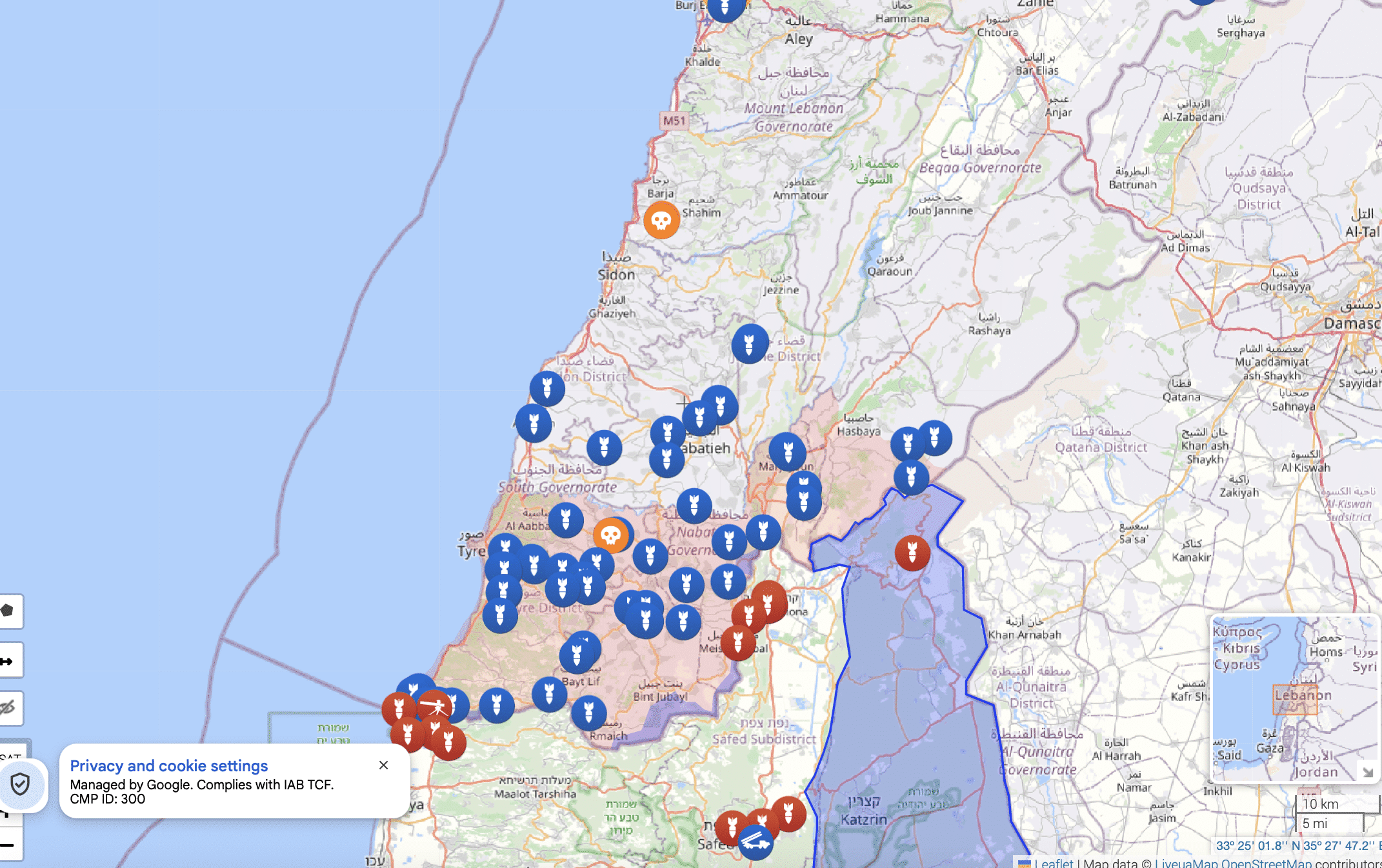
On October 9, 2024, Israeli bombing reached an unprecedented level of violence. From 6:00 a.m. , strikes targeted the city of Khiam. At 7:46 a.m., a new wave of strikes hit Naqoura and other localities near the border. Shortly after 9:00 a.m., Israeli artillery intensified its shelling in the Bekaa Valley, hitting the town of Baalbek, where strikes killed four members of the same family.
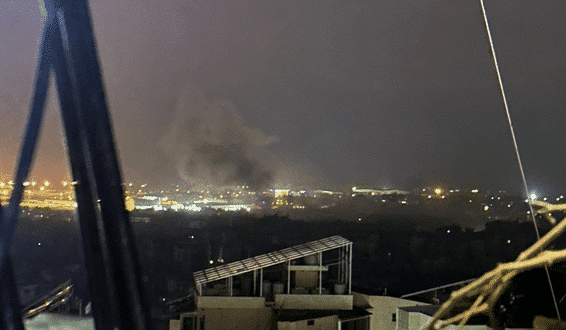
Later in the morning, at around 11:00 a.m., the southern districts of Beirut, including Dahiyeh, were heavily bombed, causing serious material damage. At the same time, Israeli strikes continued to hit Hezbollah positions in southern Lebanon, including Maroun al-Ras and Ras al-Naqoura. These strikes on Beirut and border areas have considerably increased the death toll, with several civilians killed or injured.
Retrouvez les dernieres depeches et mises a jour en direct sur Libnanews Live.
In the afternoon, around 2:00 p.m., shelling resumed with intensity in Tyre, where a hospital was hit, seriously disrupting rescue operations. At 5:00 p.m., a new series of Israeli airstrikes targeted Hezbollah positions in the Ras al-Naqoura mountains. Israeli strikes continued until late evening.
Night-time events from 9 to 10 October
During the night of October 9-10, 2024, Israeli shelling intensified and hit strategic targets in Beirut, southern Lebanon, and the Bekaa Valley.
At around 11:00 p.m., a series of Israeli airstrikes targeted residential areas in the Dahiyeh neighborhood of southern Beirut. The strikes killed five members of the Lebanese Civil Defence, who were responding to a rescue centre hit by a strike earlier in the evening.
At around 11:50 p.m., raids hit the southern city of Khiam, where civilian infrastructure was destroyed. Further strikes followed shortly after midnight, with shelling hitting targets near Baalbek in the Bekaa, causing further casualties and significant material damage.
Shortly after 1:00 a.m., Israeli raids hit the Janta area, near the Lebanese-Syrian border. Another airstrike was reported at 2:30 a.m . on the town of Srifa, south of the city of Tyre. These nightly bombings were aimed at neutralizing strategic positions and infrastructure supposedly used by Hezbollah.
2. The military situation: a constant escalation
On the military front, the day of 9 October was marked by heavy fighting along the southern border, and the night did not bring a lull. Hizbullah continued to launch rockets and anti-tank missiles against Israeli positions, especially in the areas near Ras al-Naqoura and Maroun al-Ras.
On 9 October, beginning at 11:00 a.m., Israeli forces attempted several incursions to break through Hizbullah’s defense lines at Ras al-Naqoura, but these attempts failed in the face of heavy fire from Hizbullah fighters. In the afternoon, at around 1:00 p.m., a Hezbollah attack on an Israeli unit near Kiryat Shmona caused several casualties in the Israeli ranks. This attack was followed by an Israeli response in the form of massive airstrikes on Hezbollah positions in southern Lebanon.
The fighting resumed with renewed vigour on the night of 9 to 10 October. At 1:30 a.m., clashes broke out near the border at Maroun al-Ras, where Hezbollah claimed to have inflicted significant casualties on Israeli forces trying to enter Lebanese territory. Hezbollah also announced, in a statement issued at 3:00 a.m., that it would continue to target Israeli positions in response to the relentless strikes against Lebanese civilians.
3. The political crisis in Lebanon: a persistent paralysis
On 9 October, as clashes intensified, the political crisis in Lebanon deepened. For several months, the country has been without a president, and this vacancy at the head of state is seriously hampering the management of the crisis. Parliament remains unable to reach a consensus on the election of a new president, and differences between the different political blocs, particularly over Hezbollah’s role in the conflict, continue to paralyse institutions.
On October 9, at 10:00 a.m., former President Michel Aoun convened an emergency meeting with several senior military and political officials, calling for a national mobilization to defend Lebanon against « Israeli aggression. » However, the lack of political consensus is hampering the implementation of concrete measures to address the crisis, and calls for national unity are struggling to materialize.
In the evening, at 4:00 p.m., a new parliamentary meeting tried to restart negotiations for the election of a president, but without success. Some MPs, such as Michel Moawad, have expressed concern over parliament’s failure to respond, warning that the political stalemate could plunge the country into an even deeper crisis. Moreover, the question of Hezbollah’s role in the conflict with Israel is a source of growing tensions between the different political factions.
4. Diplomatic Efforts: Attempts at De-escalation
Throughout the day on 9 October, diplomatic efforts were made to try to contain the escalation. The UN Security Council held several emergency meetings, and calls were made for an immediate ceasefire. However, the discussions did not lead to a concrete agreement.
France, through its ambassador to the UN, reiterated its call for de-escalation at 2:30 p.m., urging all parties to respect Lebanese sovereignty and avoid an escalation that could set the entire region ablaze. Paris also announced the holding of an international conference to support Lebanon on October 24, with the aim of mobilizing resources for the reconstruction of the country and the revival of its economy.
On the evening of 9 October, at around 6:30 p.m., UN Secretary-General António Guterres warned of the risks of an all-out war in Lebanon, citing the « disastrous consequences » for the region if a ceasefire was not quickly concluded. He reminded Israel of its obligation to respect international humanitarian law, while calling on regional actors to exercise restraint.
5. Other aspects: humanitarian and economic impact
The impact of the bombings, particularly those on the night of 9 to 10 October, has been devastating on the civilian population. In Tyre, an airstrike at 11:50 p.m. severely damaged a hospital, making it even more difficult to treat the war-wounded. Many homes have been destroyed, forcing thousands of civilians to flee to safer areas or to take refuge in public buildings transformed into makeshift shelters.
Economically, the Israeli strikes have crippled much of Lebanon’s vital infrastructure. The private sector, already weakened by the economic crisis that has been raging since 2019, is bearing the brunt of the consequences of the strikes on roads, ports and industrial facilities. Lebanese exports have stalled, and the tourism sector, once an important source of income, has virtually ceased to function due to widespread insecurity.